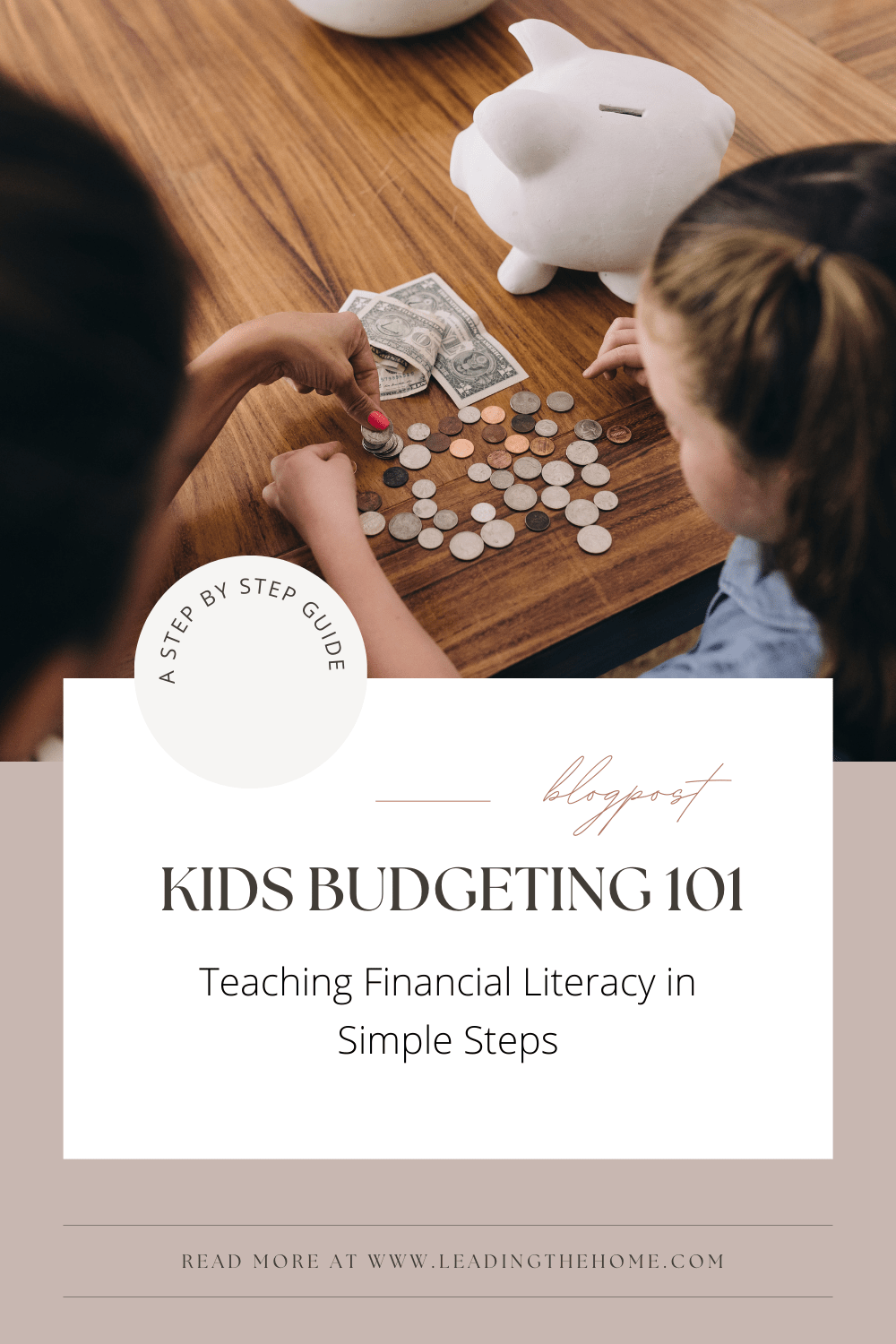
Hey there, mama. I am so glad you are here. I want to talk about something that is incredibly important for our children—learning how to budget. Teaching kids to budget is one of the best ways to set them up for financial success. It gives them the tools they need to manage their money wisely, make smart decisions, and avoid the stress that can come with poor financial habits.
Here’s a simple guide to help your kids learn how to budget, so they can start building good money habits from a young age.
Step 1: Introduce the Concept of Budgeting
Start by explaining what a budget is—a plan for how they will spend and save their money. It is important for them to understand that a budget helps them keep track of their money so they do not spend it all at once and have nothing left for things they might want or need later. Use simple language and examples that relate to their everyday life, like saving for a toy or setting aside money for a special treat.
Step 2: Identify Income Sources
Next, help your child identify where their money comes from. This might include an allowance, money earned from chores, gifts, or even small jobs like babysitting or yard work. Understanding their income is the first step in creating a budget.
Practical Tip: Have them list all their income sources and add up how much they earn in a week or a month. This helps them see how much money they have to work with.
Step 3: Categorize Spending
Once they know how much money they have coming in, it is time to talk about spending. Help your child categorize their expenses into different areas. Common categories might include:
- Saving: Setting aside money for bigger goals or future needs.
- Spending: Money for everyday wants and needs, like snacks, toys, or outings with friends.
- Giving: Donating to a charity, church, or someone in need.
Practical Tip: Encourage them to think of these categories as “buckets” where they allocate their money. You can even use physical jars or envelopes to help younger children visualize where their money is going.
Step 4: Set Financial Goals
Budgeting is not just about tracking money—it is also about setting goals. Help your child set short-term and long-term financial goals. A short-term goal might be saving for a new game or toy, while a long-term goal could be something bigger, like saving for a bike or a special trip.
Practical Tip: Make sure the goals are realistic and achievable. Help your child break down their goals into smaller steps so they can see their progress over time.
Step 5: Track Spending
One of the most important parts of budgeting is tracking where the money goes. Encourage your child to write down every time they spend money, no matter how small the amount. This helps them see if they are sticking to their budget or if they need to make adjustments.
Practical Tip: You can create a simple budget tracker with columns for date, amount, and category. For tech-savvy kids, consider using a budgeting app designed for children.
Step 6: Review and Adjust the Budget
Budgeting is not a one-time activity. It is important to regularly review the budget to see if it is working. Sit down with your child once a month to go over their budget. Look at what they have spent, what they have saved, and whether they are on track to reach their goals. If something is not working, help them adjust their budget accordingly.
Practical Tip: Celebrate their successes, no matter how small. Positive reinforcement helps them stay motivated and engaged in the budgeting process.
Step 7: Teach the Importance of Saving
One of the most valuable lessons in budgeting is the importance of saving. Help your child understand that saving is not just for big goals—it is also for unexpected expenses or future opportunities. Encourage them to always set aside a portion of their income, no matter how small, as savings. Learning to save early is crucial because it sets the foundation for understanding more advanced financial concepts, like investing. Once your child has mastered saving, you can introduce them to the idea of making their money grow through investments.
Practical Tip: Consider setting up a savings account at a bank or credit union. Watching their savings grow can be a powerful motivator for children. Over time, you can gradually introduce them to basic investment concepts, such as earning interest, to build on their understanding of saving.
Book Recommendation
For those looking to dive deeper into teaching financial literacy to children, I highly recommend Money Ninja: A Kid’s Guide to Earning, Saving, and Investing by Grace Chong. This book is a fantastic resource for introducing kids to the basics of money management in a fun and engaging way. It covers essential topics like earning, saving, spending, and even investing, making it a great companion as you guide your children through their financial education journey. With practical tips and easy-to-understand explanations, Money Ninja is a must-read for any parent looking to raise financially savvy kids.
Final Thoughts
Teaching your kids how to budget is one of the greatest gifts you can give them. It is a skill that will serve them well throughout their lives, helping them manage their money wisely, avoid debt, and achieve their financial goals. By following these simple steps, you can help your child build a strong foundation in financial literacy that will last a lifetime.
Remember, Mama, the goal is not perfection but progress. Start small, keep it fun, and watch as your child begins to understand the power of budgeting. You are not just teaching them about money—you are teaching them how to take control of their financial future.
You’ve got this, mama. Keep going, and don’t forget to breathe.







 Leading the Home
Leave a comment